SASSA Grant Fraud: How To Stay Safe
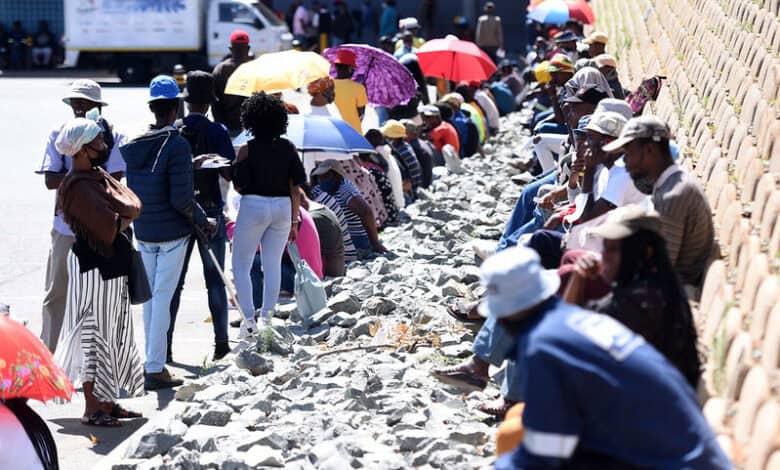
Fraud targeting social grant beneficiaries has become a serious and growing problem, affecting millions of people who depend on financial assistance from the South African Social Security Agency. As technology improves, scammers are finding more advanced ways to trick beneficiaries into giving away sensitive information or even losing their entire grant. Because these grants are often a lifeline for families, understanding how fraud works and how to prevent it is extremely important.
What Is SASSA Grant Fraud?
SASSA grant fraud refers to any illegal activity involving social grants. This can be committed by outsiders, organized groups, or even individuals who misuse the system. Fraud may involve providing false information, stealing someone else’s identity, or manipulating payment systems.
Some common examples include:
- Applying for a grant using fake or stolen identity details
- Accessing someone’s grant without permission
- Making unauthorized deductions from a beneficiary’s account
- Pretending to be SASSA through calls or messages
- Creating fake platforms to collect personal information
These activities not only harm beneficiaries but also reduce the funds available for people who genuinely need assistance.
Common Types of SASSA Fraud
Understanding the different types of fraud can help you recognize and avoid them.
Identity Theft
This occurs when someone uses your ID number or personal details to apply for or access your grant. In some cases, victims only discover this when their application is rejected or their funds go missing.
Scam Calls and Messages
Fraudsters often contact beneficiaries pretending to be SASSA officials. They may claim that there is a problem with your grant and ask you to provide:
- Your PIN or OTP
- Banking details
- A payment to “fix” your account
These tactics are designed to create panic and pressure you into acting quickly.
Unauthorized Deductions
Some beneficiaries notice small or large amounts being deducted from their grants without consent. These deductions are often linked to fraudulent services or fake subscriptions.
Fake Websites and Online Portals
Scammers create websites that look very similar to official SASSA platforms. These sites are used to steal login details, ID numbers, and banking information.
False Information and Misrepresentation
Providing incorrect details during application or failing to update changes in income or employment status can also be considered fraud. This may result in penalties or cancellation of the grant.
Warning Signs of Fraud
Recognizing early warning signs can help you avoid becoming a victim. You should be cautious if you experience any of the following:
- Your SASSA grant payment payout is missing or lower than expected
- You receive messages asking for urgent action
- Someone requests your confidential information
- You are directed to unfamiliar or suspicious websites
- You are told your grant will be cancelled unless you act immediately
- You receive approval messages for applications you never made
Scammers often rely on fear and urgency, so always take time to verify before responding.
How to Protect Yourself
Protecting your grant requires awareness and careful behavior. By following these steps, you can significantly reduce your risk.
Keep Your Personal Information Safe
Never share your ID number, PIN, passwords, or OTP codes with anyone. Even if the request appears to come from an official source, always verify first.
Use Only Official Channels
Always interact directly with SASSA through verified platforms, helplines, or physical offices. Avoid relying on third parties or individuals who claim they can “assist” you for a fee.
Monitor Your Grant Regularly
Check your SRD status and account balance frequently. This will help you quickly identify any unauthorized transactions or missing funds.
Avoid Suspicious Links and Messages
Do not click on links sent via SMS, email, or WhatsApp unless you are sure they are legitimate. Scammers often use fake links to steal your information.
Secure Your Documents
Keep your ID document and banking details in a safe place. Do not share copies unless absolutely necessary, and only with trusted and verified institutions.
How to Check Your SASSA Status Safely
Checking your grant status is an important part of managing your benefits. However, it must be done carefully to avoid falling into fraud traps.
Safe and Reliable Methods
- Official SASSA Website
Use the official SASSA SRD portal. Enter your ID number and the phone number you used during registration. The system will display your application status, such as approved, pending, or declined. - Official WhatsApp Service
SASSA provides a verified WhatsApp service where you can check your status. Follow the prompts and provide your details securely. - SASSA Helpline
You can call the official toll-free helpline and speak to a representative. After verifying your identity, they will provide accurate information about your grant.
Why Fraud Prevention Matters
Fraud has serious consequences for both individuals and the system. For beneficiaries, it can lead to financial hardship, stress, and delays in receiving support. For the system, widespread fraud can result in stricter rules, longer processing times, and increased verification procedures.
In some cases, legitimate beneficiaries may even face temporary suspension if their accounts are flagged for suspicious activity. This makes it even more important to ensure that your information is accurate and secure.
Final Thoughts
SASSA grant fraud is a real and growing threat, but it can be managed with the right knowledge and precautions. By staying alert, protecting your personal information, and using only official channels, you can greatly reduce your risk.
Always remember that scammers rely on confusion and urgency. Take your time, verify every request, and never share sensitive details without confirmation.