Easy SIM Registration Tips for Seniors and Beginners
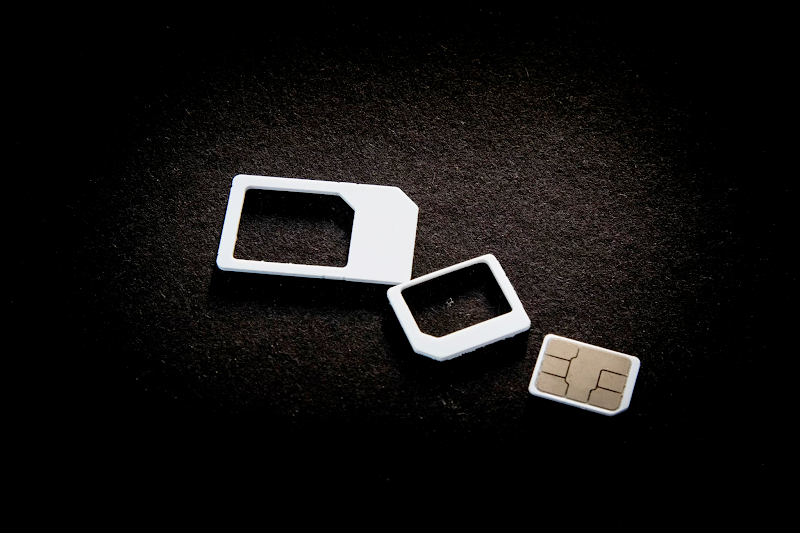
Registering your SIM card in the Philippines has become necessary if you want to safely use your mobile phone or other digital devices without interruption. For seniors, beginners, and even experienced users, the registration process can feel confusing, but with the right guidance, registration can be completed in just a few minutes.
It allows users to access various mobile services that make life easier and more exciting, from mobile banking and communication to entertainment and streaming. There has been a rise in online betting activity from Philippines as leagues like the PBA and MPBL are enjoying more support, and the top sports betting sites and live odds can only be accessed with a valid, registered SIM. The same is true for government portals, social media, and any other apps available on mobile.
Why SIM Registration Is Mandatory
SIM registration is required under the Republic Act No. 11934, commonly called the SIM Registration Act. It was implemented to fight mobile-related crimes like scams and identity theft. The law requires that all mobile users provide valid identification before activating or using their SIM cards. This verification helps authorities trace illegal activities and keeps mobile communication channels safe for public use.
SIM Registration Benefits
The benefits of registering your SIM include:
- Protects users from text scams and fraudulent calls.
- Allows telcos to verify user identity and secure mobile accounts.
- Ensures safe online transactions.
- Supports fast recovery of SIM cards if lost.
- Unlocks access to online services.
- Makes users eligible for emergency alerts and updates.
Tips For Successful Registration
Below are seven tips for beginners and seniors to help with registering their SIM cards.
1. Prepare your documents
Before beginning the registration process, make sure you have a valid government-issued ID. Accepted IDs include:
- Philippine passport
- Driver’s license
- SSS ID
- UMID
- PhilHealth ID
- Postal ID
- Senior citizen ID
Seniors should ask a family member to help take a clear photo of their ID if the process is being completed online.
2. Use official registration links
Always register through the official platform provided by your mobile network. This is the safest way to protect your personal information from phishing attempts.
For example, DITO SIM Registration can only be completed on DITO’s official website or mobile app, which reflects common networking trends and data that emphasize avoiding third-party registration links.
Official links are usually printed on SIM packaging, available on telco websites, and can be verified by calling customer service hotlines. If you’re unsure, it’s best to ask a family member or visit a telco service center.
3. Ensure you have an internet connection
You will need a stable internet connection to register your SIM. You can complete the process using WiFi at home, a community center, or on a friend or family member’s device that has already been registered.
If you struggle with connectivity or are unfamiliar with smartphones, you can ask in-store registration support at any telcos. It is usually offered for free.
4. Fill out personal information
The registration process will require you to provide your personal information, like your ID number, full name and surname, birth date, and address. Type everything correctly to avoid errors. Make sure to take your time reviewing your information before you submit it, since inaccurate information or accidental typos can result in a failed registration.
5. Save control or reference number
Once you have submitted all the required information, which your service provider’s website or app will guide you through, you will receive a confirmation code or reference number. This is proof that your SIM has been successfully registered. Save that number by taking a screenshot or writing it down. You may need this number if you have to verify your registration in the future.
6. Beware of scams
Seniors and first-time mobile users need to be aware of scams. No telco will ever ask for your OTP, personal information, or ID photos via text or social media messaging.
Scammers often pretend to be from mobile service providers to try to collect sensitive information. If you receive any suspicious messages, ignore them and report them to your provider’s hotline.
Wrapping Up
SIM registration can feel overwhelming before you begin, but with proper preparation, it is actually a simple process. By using official platforms and reviewing your information, you can enjoy safe mobile communication and get access to the many digital services available in the Philippines.